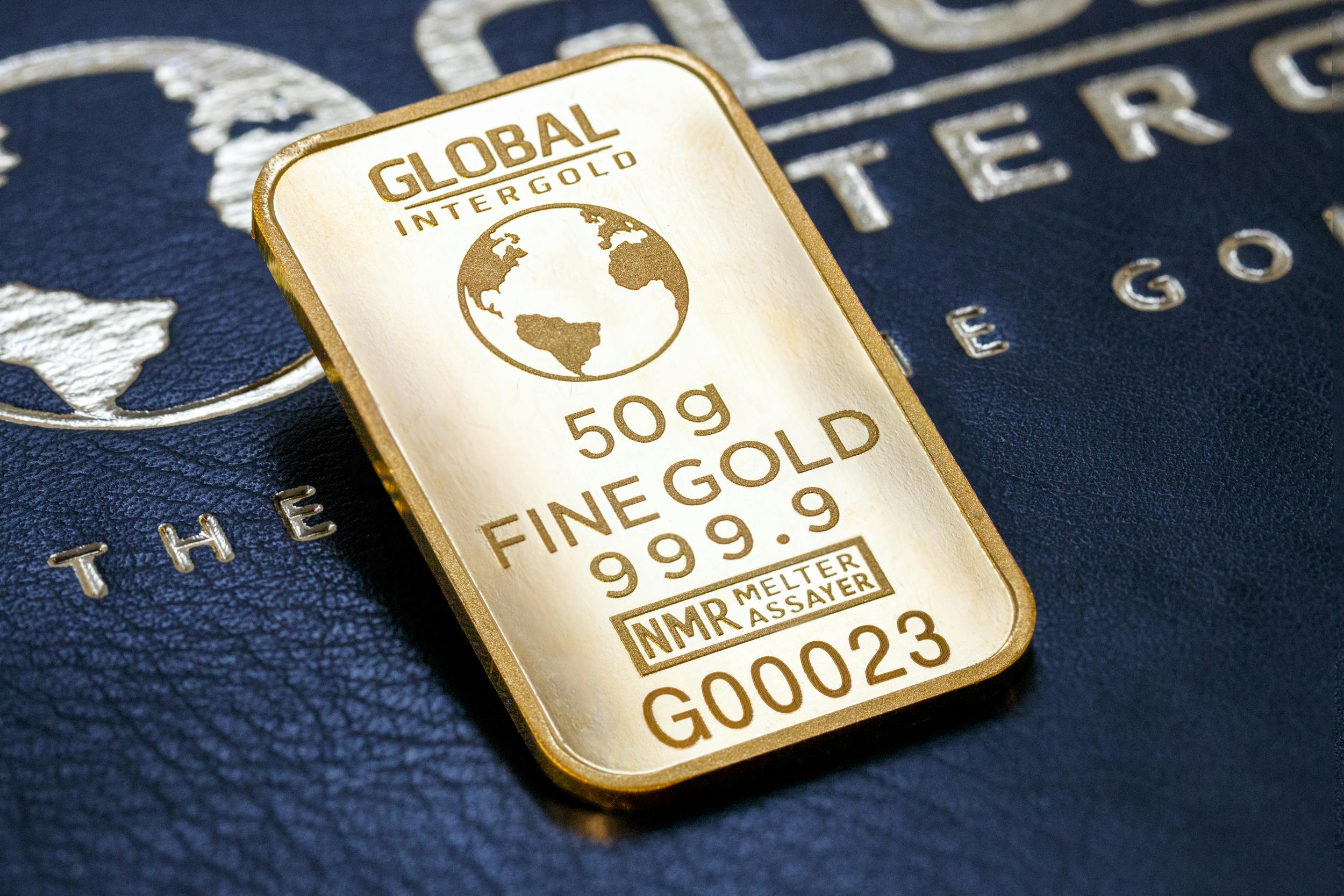
The Modern Gold Rush: How to Trade Physical Gold Digitally Without the Bars
Interest in physical gold and gold-related financial investments has seen a notable surge, particularly due to gold's recent rally, as reported by CNBC. For centuries, gold has stood as a symbol of tangible wealth, with physical assets like bullion coins being a common form of investment, according to The Royal Mint. However, the practicalities of owning physical gold—such as finding secure storage, arranging insurance, and managing its physical transfer—often present considerable logistical challenges for investors.
Imagine traditional physical gold ownership as managing a complex, old-school bank vault: requiring physical keys, specialized transport, and constant vigilance against theft. It's secure, but inherently cumbersome and less liquid. Now, envision digital gold as a modern, secure online banking system specifically designed for precious metals. This evolution transforms gold from a static, tangible asset into a dynamic, digitally accessible form, allowing investors to buy, sell, and store value online with unprecedented ease and security, as highlighted by IsaBullion. This shift empowers investors to gain exposure to gold's enduring value without the traditional burdens of physical possession.
This article explores how the landscape of gold investment has changed, offering a detailed look at how to trade physical gold digitally, providing the benefits of ownership without the need for bars in a personal vault.
Key Takeaways
- Digital gold offers exposure to physical gold's value, eliminating the logistical challenges of storage and transport.
- Investors can utilize diverse instruments like ETFs, dedicated digital gold platforms, and futures contracts.
- Key advantages include enhanced liquidity, reduced holding costs, and advanced security measures.
- Thorough due diligence is crucial to select secure and reputable providers for digital gold investment.
What is digital gold, and how does it differ from traditional physical gold?
Digital gold represents an investment vehicle that provides exposure to the value of physical gold without the investor needing to handle or store the tangible asset directly. Unlike traditional physical gold, which involves direct ownership of bullion coins or bars, digital gold is a representation of an entitlement to physical gold held by a third-party custodian, simplifying storage, transport, and insurance.
Traditional physical gold refers to tangible assets that investors can physically hold, touch, and store. This often includes items such as gold bullion coins, which are a common form of investment, as highlighted by The Royal Mint. It also encompasses gold bars, which typically come with verifiable purity and weight. Ownership of physical gold means direct possession, with the investor responsible for its secure storage, insurance, and eventual transportation if they decide to sell or move it. This method of holding wealth has been a cornerstone for centuries, valued for its intrinsic worth and role as a hedge against inflation or economic instability.
In contrast, digital gold is an evolution of this ancient asset, transitioning from a tangible symbol of wealth to a digitally accessible asset, as IsaBullion notes. It empowers investors to buy, sell, and store value online. Essentially, digital gold provides an economic interest or a claim to a corresponding amount of physical gold that is securely stored in professional, insured vaults by a third-party provider. This means an investor holds a digital record of ownership rather than the physical metal itself.
The core differences between digital gold and traditional physical gold revolve around several practical aspects:
Ownership and Custodianship
With traditional physical gold, ownership is direct and often involves personal possession, though some investors may use private safe deposit boxes. The responsibility for the asset's security rests entirely with the owner. For digital gold, ownership typically translates to a beneficial interest in specific, allocated physical gold. A specialized custodian or platform holds the actual gold in secure, professional vaults on the investor's behalf. This relationship is akin to a certificate of deposit for gold, where the certificate represents the underlying asset without requiring you to store the actual currency.
Storage and Security
Storing physical gold demands robust security measures, such as a home safe, a bank safe deposit box, or specialized vaulting services. These options often incur costs and require active management to protect against theft or loss. Digital gold platforms, however, integrate storage into their service. The underlying physical gold is held in highly secure, often globally distributed, professional vaults managed by expert custodians. These facilities typically employ advanced security protocols, constant surveillance, and strict access controls, removing the logistical burden from the individual investor.
Transport and Liquidity
Moving physical gold, especially large quantities, can be cumbersome, expensive, and risky due to the need for secure transportation and insurance. Selling physical gold may also involve authentication processes and finding a willing buyer, which can affect liquidity. Digital gold, by its nature, offers enhanced liquidity and ease of transaction. It can be bought and sold online 24/7, often with near-instant settlement. This digital accessibility streamlines the process, making it comparable to trading stocks or other online assets.
Insurance and Costs
Insuring physical gold can be an additional expense, particularly for significant holdings, and may require specific policies. The overall costs associated with physical gold include storage fees, insurance premiums, and potential transportation costs. Digital gold solutions typically include insurance as part of the service, covering the underlying physical gold against theft or damage while in the custodian's vault. This integrated approach can lead to lower overall holding costs compared to managing physical assets independently.
The primary aim of digital gold is to address the practical challenges inherent in holding physical bars and coins. It offers investors a more accessible, liquid, and potentially cost-effective method to gain exposure to gold's value, without sacrificing the security of the underlying physical asset.
Understanding these fundamental distinctions is crucial for investors deciding how to integrate gold into their portfolios, leading to the question of what specific forms digital gold can take.
What are the primary methods for investing in physical gold digitally?
Investing in physical gold digitally primarily involves three distinct avenues: Digital Gold Platforms, Gold Exchange Traded Funds (ETFs), and Gold Futures Contracts. These methods offer varying degrees of direct gold exposure, liquidity, and risk, allowing investors to gain value from gold without the complexities of physical storage or handling. Each approach caters to different investment strategies and risk tolerances.
Digital Gold Platforms
Digital gold platforms represent perhaps the most direct way to own physical gold without holding it yourself. These services allow investors to buy fractional or full ownership of allocated physical gold, which is then stored by a third-party custodian in secure vaults. The Royal Mint notes that physical gold typically refers to tangible assets like bullion coins, and these platforms digitize the ownership of such assets. Essentially, when you purchase gold through these platforms, you are buying a specific amount of real gold that is legally owned by you and held in a professional vault. This mirrors owning a unique piece of artwork that is stored in a secure gallery, rather than in your home.
This method eliminates concerns about storage, insurance, and authentication, which are common with self-managed physical gold. IsaBullion highlights how gold has evolved into a digitally accessible asset, empowering investors to buy, sell, and store value online, showcasing the benefits of trading gold online versus traditional offline methods. The digital certificate of ownership ensures that your gold is segregated from the platform's assets and can be redeemed for physical delivery if desired, though most investors opt for the convenience of digital trading.
Bottom Line: Digital gold platforms offer direct, verifiable ownership of physical gold, managed and stored by experts, providing convenience and security for long-term holders or frequent traders without physical handling.
Gold Exchange Traded Funds (ETFs)
Gold ETFs are investment funds traded on stock exchanges, much like individual stocks, that aim to track the price of gold. These funds typically hold physical gold bullion in secure vaults or use derivatives to mirror gold's performance. Investors buy shares in the ETF, which represent a claim on a portion of the fund's gold holdings or gold-related assets. Charles Schwab often provides guidance on how such funds can contribute to a diversified portfolio, leveraging gold's role as a hedge against inflation and market volatility.
ETFs offer high liquidity and ease of trading, as they can be bought and sold throughout the trading day. They are often a cost-effective way to gain exposure to gold, as the expense ratios are generally lower than the combined costs of buying, storing, and insuring physical bullion. However, owning a gold ETF does not typically grant direct ownership of physical gold; rather, you own shares in a fund that owns gold or gold-related instruments. Some ETFs are backed entirely by allocated physical bullion, while others use different mechanisms, which can impact their tracking accuracy and risk profile.
Bottom Line: Gold ETFs provide an accessible, liquid, and diversified way to gain exposure to gold price movements through a regulated investment vehicle, ideal for portfolio diversification and ease of trading.
Gold Futures Contracts
Gold futures contracts are standardized legal agreements to buy or sell a specific quantity of gold at a predetermined price on a future date. Traded on commodities exchanges, these contracts allow investors to speculate on the future price of gold. Investing.com explains that investors can gain exposure to gold through futures exchanges, where commodities are bought or sold at a fixed price on a specific date.
Futures markets are characterized by leverage, meaning investors can control a large amount of gold with a relatively small amount of capital (margin). While this amplifies potential profits, it also significantly increases the risk of substantial losses. Futures are typically used by experienced traders for speculation, hedging, or price discovery, rather than for long-term physical gold ownership. They require active management and a deep understanding of market dynamics, as contracts have expiry dates, necessitating rollover or settlement.
Bottom Line: Gold futures offer a high-leverage, high-risk method to speculate on short-term gold price movements, suitable for active traders seeking significant profit potential or hedging strategies.
Indirect Exposure: Mining Stocks and Other Avenues
Beyond these direct digital methods, investors can also gain indirect exposure to gold through instruments like gold mining stocks or mutual funds focused on precious metals. Investing in gold mining companies means you are investing in the companies that extract gold from the earth, not in the commodity itself. Their stock prices are influenced not only by the price of gold but also by factors like operational efficiency, management quality, geopolitical risks in mining regions, and production costs. While these can offer leverage to gold price increases, they also introduce company-specific risks that are absent when investing directly in gold.
Other indirect methods might include certificates of deposit (CDs) linked to gold prices or specialized gold-backed digital currencies, though these are less common and often come with their own unique risk profiles and regulatory considerations. The focus for digital physical gold investment remains primarily on the more direct methods detailed above.
Each of these digital gold investment methods serves a distinct purpose within an investment strategy. Understanding their mechanisms, benefits, and risks is paramount for investors looking to integrate gold into their portfolios effectively, leading to the next crucial consideration: how to weigh the advantages and disadvantages of each option against individual financial goals.
What are the core benefits of trading physical gold through digital platforms?
Trading physical gold through digital platforms primarily offers enhanced accessibility, convenience, and cost-efficiency for investors. These platforms facilitate 24/7 global trading, significantly reducing the traditional expenses associated with storage, insurance, and transport of physical bullion. Additionally, they provide greater liquidity for buying and selling, allow for fractional ownership, and bolster security through professional custodianship, ensuring authenticity and pricing transparency.
The traditional method of investing in physical gold, often involving bullion coins or bars, carries inherent logistical challenges. Digital platforms, however, have revolutionized this process, making gold ownership more aligned with modern financial practices. As IsaBullion notes, gold has evolved from a symbol of tangible wealth into a "digitally accessible asset, empowering investors to buy, sell, and store value" with unprecedented ease. This transformation delivers several core benefits:
Accessibility and Unmatched Convenience
Digital platforms dismantle geographical and time barriers to gold investment. Unlike traditional exchanges with fixed operating hours, digital gold platforms operate 24 hours a day, seven days a week, allowing investors to buy or sell gold from anywhere in the world. This round-the-clock access means that a sudden market shift, such as those that drive increased interest in gold during a rally as reported by CNBC, can be acted upon immediately, rather than waiting for business hours. The entire process, from account creation to transaction execution, often occurs with just a few clicks, making it highly convenient for individuals balancing busy schedules.
Bottom Line: Digital gold makes investing as easy as online banking, eliminating the need for physical visits or complicated paperwork, and adapting to your schedule, not the other way around.
Substantial Cost Reductions
One of the most compelling advantages of digital gold ownership is the significant reduction in associated costs. When owning physical gold bars or coins, investors typically incur expenses for secure storage, insurance against theft or loss, and potentially transportation if they choose to move their assets. These costs can erode investment returns over time. Digital platforms, by contrast, pool investors' gold in large, professionally managed vaults. This collective approach drastically lowers individual storage fees and insurance premiums, sometimes even eliminating them entirely, as the overhead is distributed among many participants. The digital nature also removes any transport costs or security risks associated with moving tangible assets.
Consider it like a shared secure warehouse: instead of each person paying for their own individual, highly secure storage unit for a single item, everyone contributes to a larger, more efficient, and professionally managed facility, spreading the cost and enhancing security.
Enhanced Liquidity and Divisibility
Liquidity refers to how easily an asset can be converted into cash without affecting its market price. Digital gold platforms typically offer superior liquidity compared to traditional physical gold. Selling a physical gold bar often requires finding a reputable buyer, arranging secure transport, and potentially undergoing authentication, a process that can be time-consuming and involve transaction fees. Digital platforms, however, facilitate near-instantaneous buying and selling at competitive market prices. This speed and efficiency are crucial for investors who may need to access their capital quickly.
Furthermore, digital gold offers unparalleled divisibility. Buying a physical gold bar or even a coin often requires a substantial upfront investment. Digital platforms, mirroring the functionality of stock markets, allow investors to purchase gold in much smaller, fractional amounts – sometimes as little as a few dollars' worth. This capability makes gold investment accessible to a broader range of investors, regardless of their budget, enabling gradual accumulation or precise portfolio rebalancing without needing to buy full ounces or bars.
Robust Security and Authenticity
The security of gold is paramount, and digital platforms offer a sophisticated approach to safeguarding assets. Instead of individual investors being responsible for the physical security of their gold, reputable digital platforms store all physical gold in highly secure, professional vaults often managed by third-party custodians. These facilities boast advanced security measures, including 24/7 surveillance, armed guards, and state-of-the-art access controls, significantly reducing the personal risk of theft or loss. IsaBullion emphasizes this by describing it as part of the "future of wealth," where professional management ensures asset protection.
Beyond physical security, digital platforms also address the critical concern of authenticity. Reputable providers guarantee that the gold backing digital investments is of verified purity (e.g., 99.99% fine gold) and that it physically exists. They often conduct regular audits by independent third parties to verify the gold reserves, offering investors peace of mind that their digital holdings are genuinely backed by tangible, high-quality gold.
Transparency in Pricing and Fees
Transparency is a cornerstone of trust in any investment, and digital gold platforms generally excel in this area. Unlike some traditional gold dealers where pricing might be less explicit, digital platforms typically display clear, real-time gold prices. They also detail any associated fees, such as transaction charges, storage costs (if applicable), or conversion rates, upfront. This clarity allows investors to understand the true cost of their transactions and make informed decisions without hidden surprises. This straightforward approach aligns with the expectations of modern investors who demand clear and easily accessible information about their holdings and expenses.
By addressing these core benefits, digital platforms make gold investment not just more practical but also more appealing to a new generation of investors looking for secure, accessible, and cost-effective ways to diversify their portfolios. The next section will explore the potential drawbacks and considerations associated with trading physical gold through these innovative digital avenues.
How can investors ensure the security and authenticity of their digital gold investments?
To ensure the security and authenticity of digital gold, investors must diligently research platform reputation, verify regulatory compliance, and confirm that holdings are backed by allocated, audited physical gold in insured vaults. Essential checks include evaluating robust cybersecurity measures like two-factor authentication and understanding client asset protection policies. Vigilance is crucial in this digital investment landscape.
Investing in digital gold offers convenience, but it also places a premium on investor diligence. Think of it like choosing a highly secure bank for your savings; you wouldn't just pick the first one you see. Similarly, with digital gold, safeguarding your investment requires a proactive approach, verifying several critical aspects of your chosen platform.
Due Diligence: Researching Your Provider
The first step in securing any digital gold investment is thorough due diligence on the provider. Investors should meticulously research the platform's reputation, regulatory compliance, and track record. A reputable provider will typically have a clear history of operations, transparent business practices, and positive customer feedback. IsaBullion, for instance, highlights the shift toward digital gold as the "future of wealth," indicating a focus on innovation, but individual platforms still require scrutiny. Checking for proper licensing and adherence to financial regulations in their operational jurisdictions provides an essential layer of trust and accountability. This step is akin to checking a contractor's references and certifications before hiring them for a major home project.
Verifying Physical Backing and Allocation
A cornerstone of authentic digital gold is its direct backing by physical gold. It's crucial for investors to confirm that their digital holdings represent genuinely allocated, identifiable physical gold, not merely a promise or a share in a general fund. The Royal Mint clarifies that physical gold refers to tangible assets like bullion coins, underlining the importance of this real-world connection. True digital gold platforms ensure that for every unit of digital gold you own, an equivalent amount of physical gold, typically 99.99% fine gold, is held in a secure vault under your name or a designated segregated account. This distinction is vital; it ensures your investment isn't just a paper asset but a digital representation of a tangible commodity.
Independent Storage and Audits
The physical gold backing digital investments must be stored in independent, highly secure vaults. Investors should look for platforms that partner with established, professional vaulting facilities, often managed by third-party custodians known for their advanced security protocols. Beyond physical security, regular independent audits are non-negotiable. These audits provide proof of reserves, verifying that the actual amount of physical gold in the vaults precisely matches the digital holdings claimed by the platform's clients. This process adds a layer of transparency and trust, assuring investors that their digital assets are genuinely substantiated. Without consistent, verifiable audits, the claim of physical backing remains unproven.
Robust Cybersecurity Measures
Given the digital nature of these investments, platform cybersecurity is paramount. Investors must evaluate the security infrastructure of their chosen provider. Look for platforms employing state-of-the-art encryption technologies to protect data and transactions. Multi-factor authentication (MFA), such as two-factor authentication (2FA), should be a mandatory feature, adding an extra layer of security beyond just a password. These measures act like multiple locks on a safe, significantly reducing the risk of unauthorized access to an investor's account. Reviewing the platform's privacy policy and data protection practices is also critical to understand how personal and financial information is handled.
Insurance and Investor Protections
A final, yet crucial, aspect of security is insurance. Investors should verify if the physical gold held by the platform is insured against theft, damage, or loss. This insurance provides a critical safety net, much like insuring a valuable physical asset you own. Furthermore, understanding the platform's terms of service and client asset protection policies is essential. These documents detail what happens to investor assets in various scenarios, including platform insolvency or operational disruptions. Knowing these protections upfront provides clarity and helps mitigate potential risks, ensuring that your investment is safeguarded under different circumstances.
In a rapidly evolving digital investment landscape, vigilance is not merely a recommendation; it is a necessity. By thoroughly vetting platforms on these key security and authenticity benchmarks, investors can confidently trade physical gold digitally, ensuring their assets are protected and genuinely represented. These considerations naturally lead us to explore other potential drawbacks and challenges that investors should be aware of when engaging with digital gold trading.
Further Reading
To deepen your understanding of digital gold and its place in modern investment, consider exploring these resources:
Read Next
View all articlesCross-Niche Validation: Find Your Unique Business Idea
Discover the power of the cross-niche method to uncover untapped markets and create unique business opportunities. Learn how to validate your ideas.
Early Retirement in Canada: FIRE vs. Government Benefits Age
Discover what age is considered early retirement in Canada. Explore FIRE movement goals vs. government pension ages (CPP, OAS) and public servant rules.
Etsy SEO Masterclass: Rank Handmade Goods on Page One
Unlock Etsy SEO secrets! Learn how attributes, long-tail tags, and shipping strategies get your handmade items to page one.
Financial Stability for Single Parents: 12 Practical Strategies
Discover 12 actionable ways single parents can build financial stability, from budgeting and debt reduction to income boosting and long-term planning.