Side Hustle Tax Mistakes: Avoid Penalties & Maximize Deductions
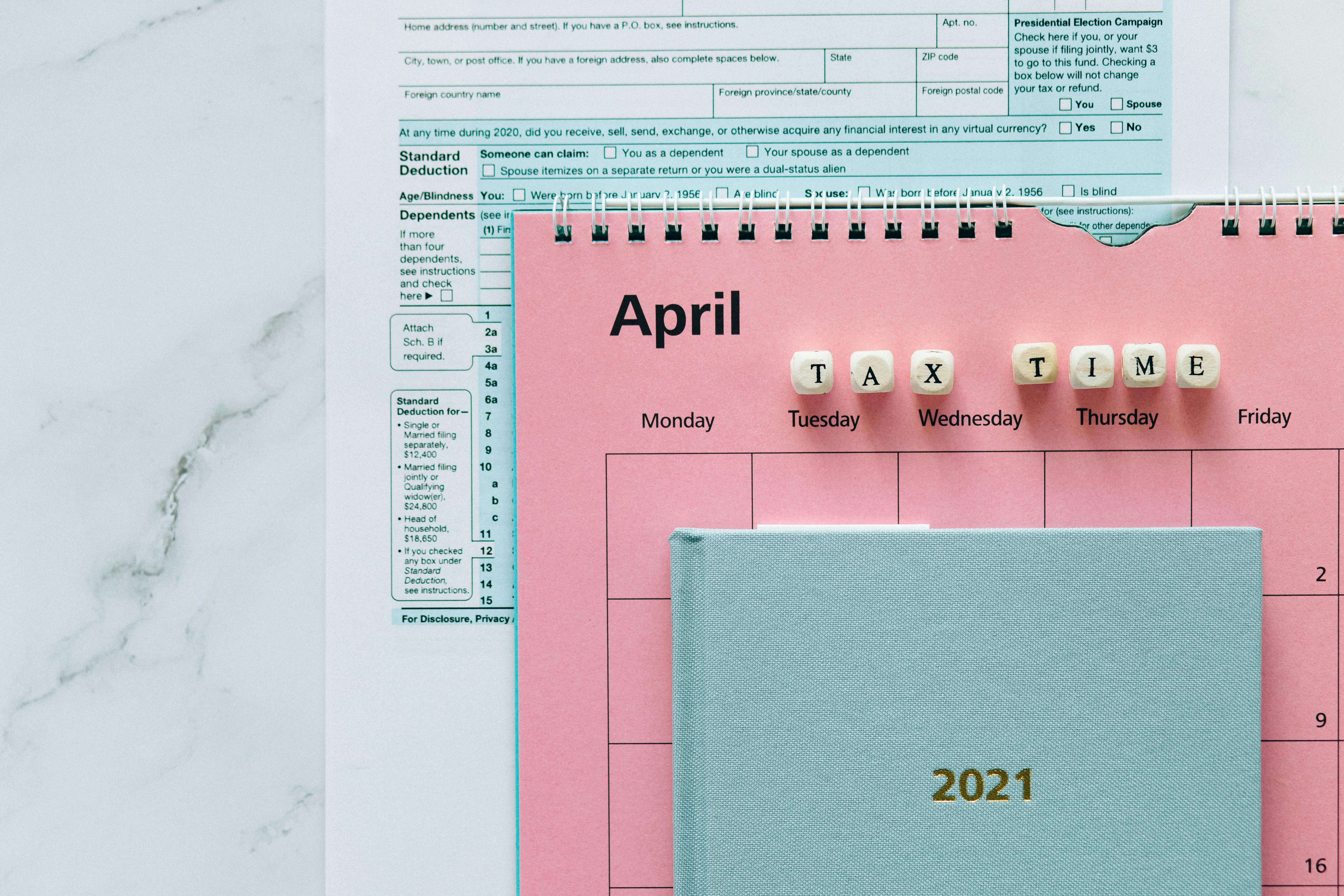
Side Hustle Tax Mistakes: How to Avoid Costly Errors and Maximize Deductions
Introduction
Making extra money on the side feels pretty fantastic, doesn't it? That buzz of a new client, the satisfaction of a successful sale, or the freedom of flexible hours—it's a big part of why so many of us jump into side hustles. We're chasing financial goals, maybe even dreams, and there's a real joy in building something just for ourselves. But here’s the thing about that sweet, hard-earned cash: it often comes with a less glamorous, often overlooked, companion... taxes.
It's super easy to get caught up in the hustle itself—the creating, the marketing, the delivering—and totally forget about the financial housekeeping. We see folks miss little things, and sometimes big things, when it comes to their side hustle taxes. We've certainly seen it happen, like trying to juggle five beanbags at once; eventually, one just drops. For many side hustlers, not setting aside money for taxes is a common slip-up, even when experts suggest putting away a good chunk, say, 20-30% of their income, for that exact purpose. These oversights can sting, potentially leading to unexpected bills or missed opportunities to save a few bucks. We really want to help you avoid those kinds of headaches.
So, how do we make sure our side hustle income doesn't turn into a tax season surprise? We think it starts with understanding the common tripwires.
Key Takeaways
- Always set aside 20-30% of your side hustle earnings in a separate bank account specifically for taxes.
- Report every bit of income, even small amounts, and proactively manage your quarterly estimated tax payments to avoid penalties.
- Keep your business and personal finances strictly separate, and actively seek out common deductions like home office, internet, and Qualified Business Income (QBI) to save money.
How much money should I set aside for my side hustle taxes?
Side hustlers should generally aim to set aside 20-30% of their income for taxes. We find this range is a widely accepted recommendation from financial experts, and it's smart to put that money into a dedicated savings account. This simple step helps you avoid the common pitfall of accidentally spending your tax money before it's due.
It really is one of the biggest, easiest things to mess up when you're just starting out with a side hustle. Many folks, myself included sometimes, get that payment notification, and it feels like pure profit, right? But the taxman always comes around. Experts like those at Fordkeast and TurboTax Canada consistently suggest that sweet spot of 20-30% of your gross income. Fordkeast even specifically says, "Always set aside 20-30% of your income for taxes in a separate bank account," and we couldn't agree more.
Think of it like this: when you're cooking a big meal, you don't just dump all your ingredients into one giant bowl and hope for the best. You measure out your flour, your sugar, your spices into separate little bowls first. This "tax money" is like your measured-out flour—it has a specific purpose. If you leave it mixed in with your "spending money" bowl, it's really easy to accidentally use it for something else. A new gadget. A dinner out. Poof. Gone.
Setting up a separate bank account for this is such a simple hack, but it makes a huge difference. It creates a clear boundary, a physical separation for your money, which helps prevent those accidental splurges. Not budgeting for taxes at all is a primary mistake that can cause some serious financial stress when tax season rolls around. Suddenly you owe hundreds, or even thousands, and that money just isn't there because it got spent on everyday stuff. Keeping your side hustle money—especially the tax portion—separate from your personal cash is something Venice CPA also flags as a key way to avoid headaches. It gives you a clear picture of what's truly profit and what's owed.
Understanding how much to set aside is one piece of the puzzle, but knowing what you can actually subtract from your income before the taxman gets his cut is another big one.
Do I really need to report all my side hustle income, even tiny bits?
Yes, absolutely every dollar you earn from your side hustle needs to be reported to the IRS. Even if a client or platform doesn't send you a 1099 form because the amount is under $600, that money is still taxable income in the eyes of the government. Forgetting these smaller bits is a common mistake that can cause issues.
It's really easy to fall into the trap of thinking, "Oh, it's just a little bit, they won't care." Or, "I didn't get a 1099 form, so it doesn't count, right?" Wrong. That $75 you made doing a quick survey, or the $200 from a small freelance design job on an app—it all counts. The tax forms like the 1099-NEC are there to help, but they aren't the only rule. The IRS expects you to keep track of all your income from self-employment, no matter the source or amount. Venice CPA points this out as a key mistake side hustlers often make: ignoring those "small" income amounts.
I understand why it's confusing. When you work for an employer, they send you a W-2, and it's all laid out for you. With a side hustle, you become your own accounting department. It's like being asked to add up all the loose change you've found in your couch cushions over a year—it might feel insignificant piece by piece, but when you put it all together, it's a surprising chunk of change. And the IRS wants to know about that chunk.
Ignoring these smaller pieces of income can lead to some real headaches down the line. We're talking about potential penalties for underreporting, interest charges on unpaid taxes, and in some more serious cases, even an audit. It’s a lot like trying to sneak a few extra candies from the jar when your parent isn't looking. You might get away with it for a bit, but if they eventually count what's left and it doesn't match, you're in trouble. It’s always, always better to declare everything. That way, you're compliant, you sleep better, and you avoid any unwelcome surprises from the tax folks.
Reporting all your income is the first step, and understanding what you can deduct from that income is just as crucial for side hustlers trying to manage their taxes well.
When do side hustlers need to pay quarterly estimated taxes?
If you expect to owe at least $1,000 in taxes from your side hustle income for the year, you generally need to pay estimated taxes quarterly. This prevents a big tax bill and potential penalties at tax time, as the IRS expects taxes to be paid as income is earned, even if it's from self-employment.
A lot of us, myself included, are used to having taxes taken out of our paychecks by an employer. It's just a regular deduction, and we don't really think about it much until tax season. But when you're working a side hustle, suddenly you're the employer, in a way, and there's nobody withholding taxes for you. This often catches side hustlers off guard. One of the key mistakes to avoid, as pointed out by Venice CPA, is ignoring quarterly estimated taxes. We might make a little money here, a little money there, and think we'll deal with it all at once in April. That’s a mistake that can lead to a really unpleasant surprise—and penalties.
The government basically operates on a "pay-as-you-go" system. For regular employees, this means paycheck withholding. For self-employed folks like us side hustlers, it means estimated tax payments throughout the year. It's how the IRS collects income tax, self-employment tax (which covers Social Security and Medicare), and sometimes even alternative minimum tax or other household employment taxes. Think of it like paying your monthly streaming services instead of getting one massive bill for all your subscriptions at the end of the year. If you got that one huge bill, it would be a shock, right? It's the same with taxes; smaller, regular payments help smooth things out.
Calculating your estimated tax involves guessing your total income for the year from your side hustle, subtracting any expected deductions, and then figuring out your total tax liability. Then, you divide that amount into four payments. It sounds a bit complicated, I know, because you're essentially predicting the future. But even a good estimate is better than no estimate. Many experts, like those at Fordkeast and TurboTax Canada, suggest putting away about 20-30% of your side hustle income specifically for taxes. Fordkeast explicitly recommends doing this into a separate bank account, which is a really smart move—out of sight, out of mind, until it’s time to pay.
The due dates for these payments aren't perfectly spaced, which can add to the confusion. Here are the typical deadlines:
- Payment 1: For income earned January 1 to March 31 — April 15
- Payment 2: For income earned April 1 to May 31 — June 15
- Payment 3: For income earned June 1 to August 31 — September 15
- Payment 4: For income earned September 1 to December 31 — January 15 of next year
If any of these dates fall on a weekend or holiday, the deadline usually shifts to the next business day. It’s easy to forget these, so setting up reminders is a big help. Forgetting these payments, or underpaying them, can result in penalties when you finally file your annual return. We want to avoid those extra charges, don't we? So, staying on top of these quarterly payments is a big part of being a responsible side hustler.
Knowing when to pay is one thing, but figuring out how to reduce the amount you actually owe is another crucial piece of the puzzle.
What are the biggest tax deductions side hustlers frequently overlook?
Many side hustlers regularly miss deductions that could save them real money on taxes. The biggest ones often overlooked include the home office deduction, business-related internet and phone costs, mileage and vehicle expenses, the Qualified Business Income (QBI) Deduction, and self-paid health insurance premiums. MyTally Financial and Yahoo Finance both point to these as common oversights.
It's easy to forget about these little tax savers, I know. It's like finding money in old jacket pockets—you know you put it there, but sometimes you just forget to check until you really need it. But every little bit of these unclaimed deductions adds up, turning into real money back in your pocket instead of going to Uncle Sam. We're talking about legitimate business expenses that reduce your taxable income, and honestly, they're often the first things people running a side hustle forget to track.
Your Home Office: More Than Just a Corner
If you're like a lot of side hustlers, your main workspace is probably right there in your house. And guess what? That dedicated space could mean a decent home office deduction. To qualify, the IRS wants to see that you use a specific area of your home exclusively and regularly for your side hustle. This isn't just your kitchen table where you eat dinner and also check emails; it needs to be a distinct space, maybe a spare room or a section of a room, used only for your business work.
You have two ways to figure this out:
- Simplified Option: This is often the easiest. You can deduct $5 per square foot of your home used for business, up to 300 square feet. So, if your office is 100 square feet, that’s $500 right there.
- Regular Method: This one is more involved. You'd figure out the actual percentage of your home used for business and then deduct that portion of your rent or mortgage interest, utilities, homeowner’s insurance, and even repairs. It can be more money, but requires much more meticulous record-keeping.
We often just see our home as, well, home. But if a chunk of it is business territory, we should treat it that way on our taxes.
Internet and Phone: Your Digital Lifelines
Think about how much you use your internet and phone for your side hustle. Answering client emails, researching projects, posting on social media for your business, taking calls—it’s probably a lot, right? The good news is that these are often legitimate internet and phone expenses you can deduct.
The trick here is proportion. You can't deduct your entire internet bill if your kids are streaming movies all day. You need to figure out a reasonable percentage that reflects your business use. Maybe you spend 50% of your online time on work-related tasks, or 75% of your phone calls are for your side gig. That percentage of the bill is deductible. Keep a log for a month or two to get a good average, and then stick with it.
Getting Around: Mileage and Vehicle Expenses
Whether you're driving to meet a client, picking up supplies, or delivering products, those miles add up. Mileage and vehicle expenses are a big one that MyTally Financial specifically highlights as frequently missed. There are two main ways to deduct these:
- Standard Mileage Rate: This is usually the simpler choice. The IRS sets a specific rate per mile driven for business purposes. You just multiply your business miles by that rate. This covers gas, oil, maintenance, and depreciation.
- Actual Expenses: This involves tracking everything related to your vehicle for business: gas, oil, repairs, insurance, vehicle registration fees, and depreciation. It's a lot more work, but sometimes it results in a bigger deduction, especially if you have an older, high-maintenance vehicle.
No matter which method you pick, the crucial part is keeping a detailed mileage log. Jot down the date, where you went, why you went, and how many miles it was. Even a simple notebook in your car works.
The Qualified Business Income (QBI) Deduction: A Biggie
This one can feel a bit complex, but it's a huge benefit if you qualify. The Qualified Business Income (QBI) Deduction lets eligible self-employed individuals, including many side hustlers, deduct up to 20% of their qualified business income. Yahoo Finance points this out as a key missed deduction.
It's available for sole proprietors, partners, and S-corporation owners. There are income limitations and other rules, so it’s not always straightforward. For 2024, for example, the deduction might start to phase out if your taxable income hits certain thresholds. But if you’re under those limits, or even within the phase-out range, that 20% can be a significant chunk of change. This deduction, unlike others, isn't tied to an expense you incurred but rather a direct reduction of your taxable business income.
Health Insurance Premiums: Taking Care of Yourself
If you’re self-employed and paying for your own health insurance—and you're not eligible to participate in an employer-sponsored plan elsewhere (like through a spouse's job)—you might be able to deduct the health insurance premiums you pay. This includes medical, dental, and long-term care insurance.
This deduction helps lower your adjusted gross income, which can have ripple effects on other tax calculations. It's a way the tax system acknowledges that self-employed individuals bear the full burden of their health coverage. Make sure you're not getting subsidized through the Health Insurance Marketplace, as that can affect how much you can deduct.
The Real Key: Diligent Record-Keeping
Look, none of these deductions matter if you can't prove them. The IRS wants to see receipts, mileage logs, bank statements, and any other documentation that backs up your claims. I can't stress this enough: diligent record-keeping is your best friend here. It sounds like a pain, but a simple spreadsheet, an app for tracking mileage, or even a dedicated folder for receipts can save you a huge headache and a lot of money come tax time.
Remembering these deductions is one thing, but knowing the difference between what's personal and what's strictly business is another common area where side hustlers trip up.
Why is it important to separate personal and business money for my side hustle?
Separating your personal and business money is super important for your side hustle. It makes tax time much, much easier by simplifying record-keeping and tracking income and expenses. This clear division also offers a layer of protection for you and your personal assets, and it really helps if the IRS ever decides to take a closer look.
I know, it sounds like extra work, another account to open, maybe another card to carry. But trust me, mixing your personal and business finances is one of those classic mistakes side hustlers make, as folks at Venice CPA point out. It's like trying to bake a cake and cook dinner in the same pot. You end up with a confusing, sticky mess, and neither comes out right.
When your personal cash and your business cash live in the same account, it becomes incredibly hard to figure out what was what. Did that coffee you bought come out of your personal spending, or was it a business meeting expense? Was that payment from a client deposited into your personal savings, making it harder to spot as business income later? These little questions pile up fast.
Making Things Clear with Separate Accounts
We've found that one of the simplest things you can do to avoid this headache is to open a separate bank account specifically for your side hustle. I’m talking about a dedicated checking account where all your business income goes in and all your business expenses come out. Fordkeast, for instance, suggests you even use a separate bank account to set aside that crucial 20-30% of your income for taxes. This way, the money for the taxman is literally out of sight, out of mind, and less tempting to spend.
And while you’re at it, grab a separate credit card for your business expenses, too. This isn't just about looking "professional"; it’s a brilliant way to keep an automatic, digital record of everything you spend on your hustle. Every swipe on that business card creates a transaction history that screams "business expense" — no guesswork needed. This is especially helpful for those common deductions like internet, phone, or even mileage if you're tracking it through an app linked to that specific card.
Less Stress, More Proof: The Audit Benefit
Imagine this: the IRS sends you a letter. Scary, I know. But if all your business transactions are cleanly separated, you can simply hand over those bank and credit card statements. There's no need to sift through hundreds of personal transactions, trying to justify which ones were actually for your side gig. That clear paper trail makes your life so much easier and provides solid proof of your income and expenses, which is exactly what the IRS wants to see. It reduces your stress levels, makes tax preparation simpler, and frankly, makes you look a lot more organized and legitimate in the eyes of tax authorities.
It’s all about creating an invisible wall between your personal life and your side hustle life, at least financially. This isn't just good for taxes; it gives you a much clearer picture of how profitable your side hustle actually is. You can see your real income, your real expenses, and how much money you’re actually bringing in after everything.
Once you have that financial separation dialed in, the next step is to make sure you're keeping tabs on every single dollar that comes and goes for your side hustle.
Further Reading
Sometimes, even after reading through all the common mistakes, we might still have a few questions. Or maybe you're looking for even more specific details on deductions or other tax stuff. I know I often find it helpful to look at a few different sources to really get a handle on things. So, if you're like me and want to dig a little deeper into making sure your side hustle taxes are squared away, I've put together some great articles that I found really useful during my research:
Read Next
View all articlesEarly Retirement in Canada: FIRE vs. Government Benefits Age
Discover what age is considered early retirement in Canada. Explore FIRE movement goals vs. government pension ages (CPP, OAS) and public servant rules.
Etsy Keyword Strategy: Master 13 Tags for Max Traffic
Unlock Etsy's search potential! Learn the 13-tag strategy to optimize keywords, attract buyers, and boost your shop's visibility.
Etsy SEO Masterclass: Rank Handmade Goods on Page One
Unlock Etsy SEO secrets! Learn how attributes, long-tail tags, and shipping strategies get your handmade items to page one.
Bundle Digital Products: Boost Sales & Order Value
Learn how to bundle digital products to increase average order value (AOV). Discover pricing, marketing, and selection strategies.