Stablecoin Yield 2026: Smart Investment or Risky Gamble?
Introduction
Imagine a financial market, already standing tall at over $311 billion by January 2026, then picture it swelling to an almost unbelievable $4 trillion by 2030. That's the kind of growth some forecasts are predicting for stablecoins, according to the latest research. This kind of scale and potential… it makes you think. For digital entrepreneurs and side hustlers chasing passive income, does earning yield from stablecoins actually fit into a smart investment strategy for 2026?
The allure of returns far beyond what your old savings account offers is undeniably strong. I mean, who wouldn't want to see their money grow faster? It's like finding a magical garden where your money plants double in size overnight compared to the tiny sprouts in your neighbor's yard. But before we start daydreaming about those higher percentages, we need to get real about what we're dealing with. It’s not just about looking at the headline APY; it’s about understanding the tricky bits, like smart contract risks or the chance of de-pegging. And it’s about weighing stablecoin yield against other possibilities, like tokenized real-world assets (RWAs) that offer competitive yields — we’ve seen some around 4.43%-9.4%, for example. We've got to match these choices with what feels right for our own risk tolerance. Here at PassiveSpark, we’re all about making decisions that are really thought out. We think that’s the path to building wealth that actually sticks around.
So, what exactly are stablecoins anyway, and how do they even make money for you?
Key Takeaways
- The stablecoin market is seeing huge growth, possibly hitting $4 trillion by 2030, and it often gives much better yields than a regular savings account.
- But you need to be careful; there are risks like de-pegging, smart contract issues, and changing rules.
- Spread your stablecoin money around different coins and platforms, and always keep tabs on your portfolio to manage these risks.
- Tools like CoinMarketCap are super helpful for checking out yields and picking trustworthy platforms for your research.
What exactly are stablecoin yields and how do they work in 2026?
Stablecoin yields in 2026 come from lending out stablecoins—cryptocurrencies pegged to assets like the US dollar—or by staking them in various crypto platforms. This process generates returns, often higher than traditional savings, while aiming to keep your principal value stable. It's about earning money on a less volatile digital asset.
What are Stablecoins and How Do They Work?
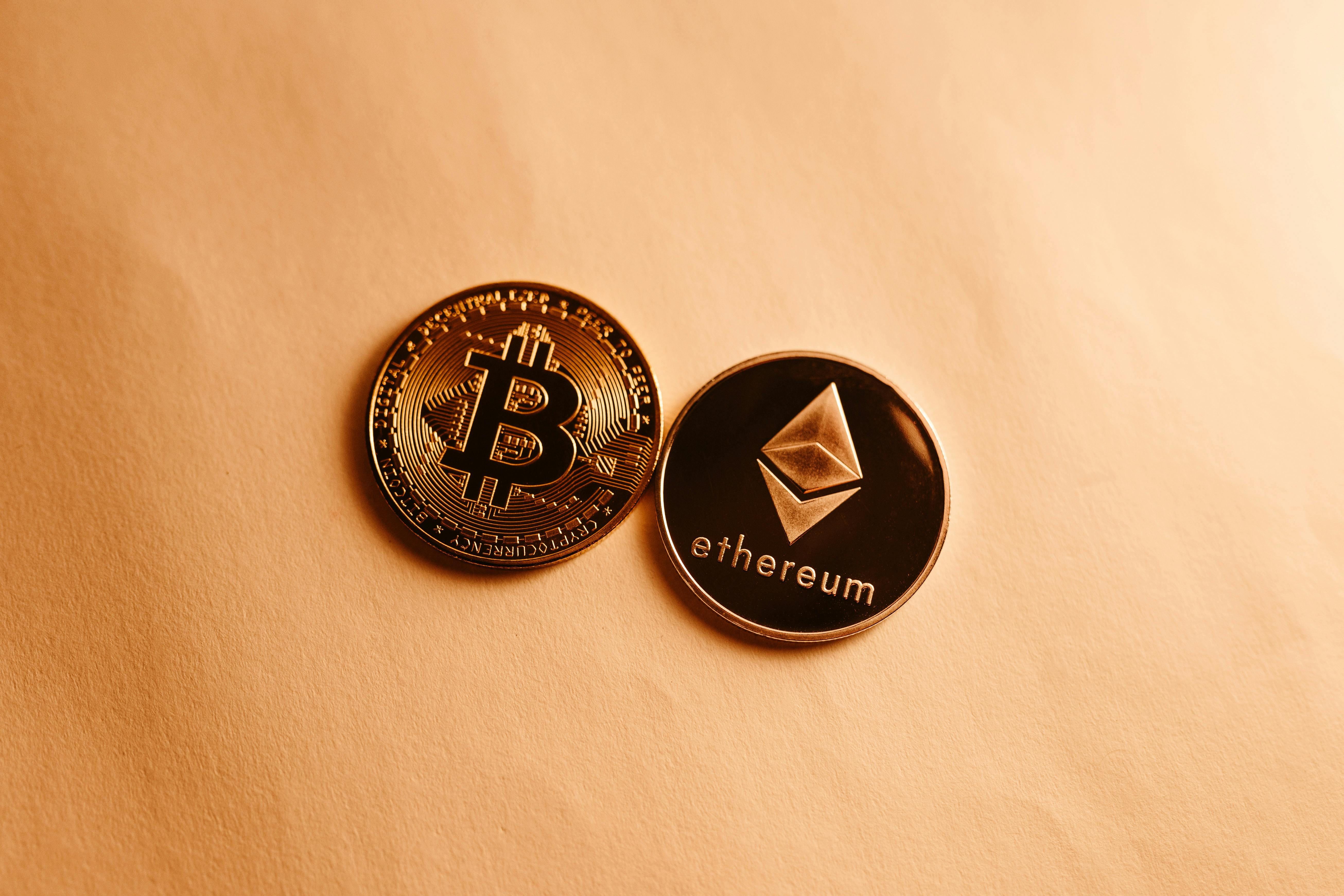
Stablecoins are a type of cryptocurrency, but they're different from Bitcoin or Ethereum because they try to keep a steady price. Think of it like a digital dollar that doesn't jump around wildly. Most stablecoins are "pegged" to a stable asset, like the US dollar, meaning one stablecoin should always equal one dollar. By January 2026, the stablecoin market had grown a lot, with its market cap surpassing $311 billion. (Pantera Capital).
How do they stay pegged? Well, there are a few ways:
- Fiat-backed Stablecoins: This is the most common kind. The issuer holds actual fiat currency—like US dollars—or other liquid assets as reserves, basically matching every stablecoin issued with real-world money. USDC, for example, holds about 75% of its reserves in short-term US Treasuries and another 25% in cash at regulated US banks. Tether, or USDT, has a more varied approach. Their reserves are roughly 70% in US Treasuries and cash equivalents, about 7% in cash and short-term deposits, 9% in things like corporate bonds, precious metals, and other investments, 5% in Bitcoin, and another 8% in secured loans to unaffiliated entities.
- Crypto-backed Stablecoins: These are backed by other cryptocurrencies, usually in an "over-collateralized" way. This means they hold more crypto value in reserve than the stablecoins they issue, trying to absorb price swings.
- Algorithmic Stablecoins: These use complex smart contracts and algorithms to control supply and demand, trying to keep the peg without direct asset backing. They can be really innovative, but they've also faced some big challenges and risks.
How is Stablecoin Yield Generated?
Once you have stablecoins, there are a few ways to potentially earn a yield, almost like earning interest in a savings account, but often with higher rates.
- Lending: This is pretty straightforward. You lend your stablecoins to others—either individuals or larger institutions—through a platform, and they pay you interest for using your money. It's a bit like being a mini-bank.
- Staking in Decentralized Finance (DeFi) Protocols: This is where things get a bit more technical.
- Liquidity Pools: You can put your stablecoins into "liquidity pools" on decentralized exchanges. Imagine contributing your digital dollars to a big pot that traders use to swap other cryptocurrencies. In return, you get a share of the trading fees. You might also earn extra tokens as a reward for providing this liquidity.
- Yield Farming: This is the practice of moving your stablecoins between different DeFi protocols, always looking for the best return. It's a bit like a farmer moving crops to the most fertile field.
- Real-World Assets (RWAs): A big trend we're seeing. Instead of just crypto, your stablecoins can back up real-world assets that have been tokenized. This could be anything from U.S. Treasuries to property. For example, some RWA protocols like Ondo are offering yields around 4.43%-4.7% backed by U.S. Treasuries, while Maple Finance gives 7%-9.4% backed by Liquid Digital Assets. The total value of these tokenized RWAs grew from $3 billion in 2022 to nearly $36 billion by November 2025.
- Centralized Finance (CeFi) Platforms: Here, you deposit your stablecoins with a centralized company, like an exchange. They take your money, lend it out to their institutional clients, and pay you a portion of the interest they earn. It's often simpler to use, but you're trusting that company with your funds.
Key Metrics to Watch: APY, TVL, and Impermanent Loss
When you're looking at stablecoin yields, some terms pop up a lot. Knowing what they mean can save you a headache.
- APY (Annual Percentage Yield): This is the magic number everyone talks about. It's the total percentage of return you could expect on your investment over a year, with compounding interest already factored in. A higher APY looks great, but always remember it often comes with higher risk. If you check out a resource like CoinMarketCap's yield page, you'll quickly see how APYs for stablecoins can swing wildly across different platforms in 2026. Some might offer a modest 3%, others could advertise 15% or more. This range really tells you that not all stablecoin yields are created equal.
- TVL (Total Value Locked): This simply means the total amount of assets—like stablecoins—currently held or "locked" in a specific DeFi protocol or platform. A higher TVL often suggests a protocol is more popular and might be seen as more reliable, like a bustling marketplace compared to an empty one.
- Impermanent Loss: This one's a bit tricky, mostly for those providing liquidity to pools that might involve a stablecoin paired with a volatile asset, or even two stablecoins if one de-pegs. It happens when the price of your deposited assets changes from when you put them in. Say you put in $100 worth of Stablecoin A and $100 worth of Stablecoin B. If Stablecoin A suddenly drops in value, the pool's rebalancing mechanism means you end up with more of the cheaper coin and less of the more expensive one. When you pull your money out, your total value might be less than if you had just held onto your coins without putting them in the pool. It's like juggling two beanbags: if one suddenly turns into a rock and the other stays a beanbag, your hands might end up a bit uneven when you catch them.
Understanding these metrics helps you assess not just the potential returns, but also the stability and potential pitfalls of different stablecoin yield opportunities. We'll get into why these potentially higher returns are so appealing next.
Why are stablecoin yields so appealing for passive income seekers?
Stablecoin yields attract passive income seekers with significantly higher returns than traditional savings accounts, often reaching 4% to over 9% from protocols backed by real-world assets or digital assets. They offer simple access to these higher yields, providing diversification within a volatile crypto portfolio and dramatically cutting costs for global money transfers.
We often hear about low returns in traditional banking. Think about it: a typical savings account might give you a measly 0.5% or even less these days. It barely keeps up with inflation. But then you look at stablecoin opportunities, and the numbers jump out. Some platforms and protocols are offering quite a bit more. For instance, in 2026, some RWA (real-world asset) protocols like Ondo are showing yields around 4.43% to 4.7% because they are backed by solid things like U.S. Treasuries. That's a huge difference right there. Other protocols, like Maple Finance, which deal with liquid digital assets, can offer even higher yields, sometimes ranging from 7% to 9.4%.
This kind of yield is super attractive. It's like finding a special garden where the plants grow much faster and produce more fruit without you having to do extra digging. The platforms themselves are getting much simpler to use too. We've seen a real push for accessibility and ease of use, meaning you don't need to be a tech wizard to get started. Many platforms have streamlined their onboarding processes, making it pretty straightforward for almost anyone to convert their fiat money into stablecoins and start earning.
For those of us holding other, more volatile cryptocurrencies, stablecoins offer a different kind of calm. Imagine your investment portfolio as a basket of fruit. You might have some exciting, juicy berries that can grow big fast but also spoil quickly (volatile crypto). Stablecoins are like the sturdy apples or oranges—they don't change size much, but they're always there, providing a steady base. They offer real diversification potential, giving you a stable asset that still earns a return, helping balance out the swings in the wider crypto market.
And it's not just about personal investments. Stablecoins are changing how money moves across the globe. People sending money home to family often face high fees, averaging about 6.5% on remittances, which can add up to huge sums on nearly $900 billion in flows. Stablecoins have the potential to cut these costs almost to zero. That's a massive saving for millions of people. Think about it: instead of a big chunk of your money disappearing into fees, it all goes to your loved ones. By late 2025, crypto-funded cards were already processing roughly $18 billion annually, showing just how much these digital currencies are being used for everyday transactions, approaching even on-chain peer-to-peer stablecoin volumes (insights4.vc, January 2026). This widespread use shows that stablecoins are becoming a core part of the financial system, not just a niche crypto thing.
So, the appeal is clear: better returns, easy access, portfolio stability, and a practical way to save money on global transfers. But with such enticing prospects, it's natural to wonder about the other side of the coin, which is exactly what we'll talk about next.
What are the main risks associated with stablecoin yield in 2026?
Stablecoin yield in 2026 carries several risks, including smart contract vulnerabilities leading to hacks, the unpredictable nature of regulatory changes, and the potential for a stablecoin to 'de-peg' from its intended value due to insufficient or risky collateral. Platform-specific failures and fluctuating yields also pose significant threats to capital.
Smart Contract Vulnerabilities and Hacks
Earning yield often means putting your stablecoins into a smart contract. Imagine your money is stored in a fancy digital safe. The "smart contract" is like the super complex, automated locking mechanism for that safe. If there's a tiny flaw in the code—a forgotten bolt or a loose wire—a clever thief could find it. And then, poof, your money is gone. We’ve seen this happen with various DeFi protocols over the years. Even with multiple security audits, complex code can still have hidden issues. It's a constant battle between developers trying to secure the system and those trying to exploit weaknesses.
Key takeaway: Always pick platforms that boast extensive security audits and bug bounty programs. Even then, understand that some inherent risk of a smart contract vulnerability remains.
Regulatory Uncertainty and Legal Risks
The legal landscape for stablecoins is still a bit like shifting sand, even in 2026. Governments around the world are trying to figure out exactly how to categorize and control these digital assets. This year, we're seeing increased clarity in some areas and growing regulatory interest (World Economic Forum, January 2026). But sudden new rules or interpretations could drastically impact how stablecoin platforms operate, how they generate yield, or even who can use them. What if a country decides to outlaw certain types of yield farming, or imposes strict capital controls on stablecoin movements? Your funds could become inaccessible or lose their earning potential overnight.
Key takeaway: Stay informed about regulatory changes in your jurisdiction and where your chosen platforms are based. Regulations can change quickly, affecting your investment.
De-pegging Risks and Collateralization Concerns
This is probably the scariest one for many people. A "de-pegging" event is when a stablecoin loses its 1:1 value against the currency it's supposed to mimic—say, the US dollar. It's like watching a tightrope walker suddenly wobble and fall, taking your investment with it. Algorithmic stablecoins, which rely on complex code and market incentives rather than direct asset backing, are particularly prone to this. We saw some dramatic collapses of these in the past, and it's a stark reminder of what can happen.
Even asset-backed stablecoins aren't immune if their reserves aren't managed well or aren't liquid enough. Look at USDC, a pretty common one. Its reserves are generally solid: approximately 75% in short-term US Treasuries (with an average maturity of 43 days) and 25% in cash deposits at regulated US banks (Key Facts & Statistics). That sounds pretty safe, right?
But then there's USDT. While it's also backed, its reserve mix is broader, and some parts are less liquid. Its reserves are roughly 70% in US Treasuries and cash equivalents, 7% in cash and short-term deposits, 9% in corporate bonds, precious metals, and other investments, 5% in Bitcoin, and another 8% in secured loans to unaffiliated entities (Key Facts & Statistics). If those secured loans default or the other investments drop in value quickly, the peg could get shaky.
Key takeaway: Always check a stablecoin's collateralization report, often found on their official website. The more transparent and liquid the backing assets, the better your chances of avoiding a de-pegging event.
Platform Risk
Earning yield on stablecoins typically means trusting your assets to either a centralized lending platform (CeFi) or a decentralized protocol (DeFi). With CeFi platforms, you're essentially giving them your money, hoping they manage it responsibly and don't take on too much risk. If that platform goes bankrupt, gets hacked, or freezes assets—as we've unfortunately witnessed with some high-profile collapses in previous years—your funds could be gone or stuck indefinitely, like your bank suddenly locking its doors.
DeFi protocols, while aiming to be "trustless" through code, still have their own platform risks. Beyond smart contract bugs, there can be "rug pulls" where developers disappear with funds, or governance attacks where malicious actors take control.
We often see yields fluctuate quite a bit, even on a day-to-day basis if you check a site like CoinMarketCap for current APYs. A stablecoin offering 20% APY one week and suddenly dropping to 5% the next might signal that the underlying platform is struggling with liquidity or taking on too much risk to maintain those high rates. Suspiciously high yields should always raise a red flag. It's like a shop offering a brand new luxury car for pennies; it's probably too good to be true.
Key takeaway: Diversify your holdings across multiple platforms and stablecoins. Never put more than you can afford to lose into any single platform or yield-generating opportunity.
Understanding these risks is the first step, but how do stablecoin yields stack up against other, more traditional investment avenues, or even other crypto options? That's what we'll weigh out next.
How do stablecoin yields compare to other investment options for 2026?
Stablecoin yields in 2026 generally offer higher potential returns than traditional high-yield savings accounts and many bonds, but they come with greater risks. They occupy a middle ground between the volatility of speculative crypto and the stability of conventional finance. The rise of tokenized real-world assets also creates new yield avenues, blending digital access with tangible backing.
Stocks and Bonds: A Traditional Approach
Stocks can give you big wins, or big losses. They're like playing a high-stakes game of Monopoly — sometimes you land on Park Place with a hotel, sometimes you land on Income Tax. Their returns are tied to company performance and market sentiment, so they can fluctuate wildly. Bonds are more like a steady, predictable allowance. You get a fixed payment, but usually, it's a smaller amount. They're safer, sure, but the yields for many traditional bonds are pretty modest, especially when you factor in inflation.
Stablecoin yields often fall somewhere in between these extremes. You're not looking for massive price appreciation like with a tech stock, but the yield can definitely beat what a typical bond or savings account offers. It’s a different kind of trade-off, balancing lower volatility than stocks with potentially better returns than bonds.
Real Estate: A Tangible Asset
Owning a house or apartment for rental income... that’s a real asset, something you can touch. It can appreciate over time and give you steady rent. But it's a big chunk of money to start, and then there are the headaches: leaky faucets, difficult tenants, property taxes. Selling can take months, sometimes years, making it very illiquid.
Stablecoins are the opposite. Super liquid. You can buy in and out pretty fast. And here’s where things get interesting for 2026: real-world asset (RWA) tokenization is bridging this gap. We saw RWA tokenization grow from a mere $3 billion in 2022 to nearly $36 billion by November 2025. This means you can get exposure to assets like U.S. Treasuries through protocols like Ondo, offering yields around 4.43%-4.7%. Or, you could get into stuff backed by liquid digital assets with Maple Finance, which gives you 7%-9.4%. It’s like owning a tiny, digital slice of a property that’s easier to manage and trade.
Crypto Staking
When we talk about staking other cryptocurrencies — like Ethereum or Solana — the yields can sometimes look wild, like 10% or 15% APY. But those assets also bounce around like a rubber ball in a small room. The price of the underlying crypto could drop 50% in a week, eating up any yield you earned and then some.
Stablecoin staking, on the other hand, tries to remove that price volatility risk. Your main goal is the yield itself, not capital appreciation from the stablecoin's price. So, while the APY might not hit those huge double-digit numbers you sometimes see with volatile cryptos, the risk profile is quite different. It's about earning a consistent income stream without worrying if your principal will halve overnight.
High-Yield Savings Accounts
These are your safest bet, right? FDIC-insured, very low risk. They’re like putting your money in a super secure, but somewhat sleepy, piggy bank. The returns are usually pretty low, sometimes just 0.5% or 1%, maybe a bit more depending on the market.
Stablecoin yields, even on the more conservative DeFi or CeFi platforms, typically aim much higher. You can often find stablecoin APYs that are several times what a high-yield savings account offers. But, and this is a big "but," you're trading that government-backed insurance for potentially higher returns. It means you take on the risks we talked about earlier — smart contract vulnerabilities, de-pegging, platform failures. It’s like comparing a walk in the park to a climb up a moderate mountain — more reward, but you need better gear and more caution. When I check places like CoinMarketCap, the listed stablecoin yields can often show a tempting gap compared to traditional banking.
After weighing these comparisons, the real challenge becomes how to fit stablecoin yields into your own financial blueprint.
Incorporating Stablecoin Yield into Your 2026 Investment Strategy: A Step-by-Step Guide
To responsibly incorporate stablecoin yield into your 2026 investment strategy, you first need to understand your own risk tolerance. Then, do thorough due diligence on platforms and specific stablecoins, checking reserve transparency and security. Spread your holdings across different stablecoins and platforms, keep a close eye on your portfolio, and always talk to a tax pro.
Assessing Your Risk Tolerance
Figuring out your comfort level with risk is the very first step. It’s like knowing if you’re okay with a roller coaster or if you prefer a Ferris wheel. Stablecoin yield, while aiming for stability, isn’t risk-free. I think about it this way: How would I genuinely feel if I woke up tomorrow and 10% of my stablecoin portfolio was gone? What about 20%? If that thought gives me a pit in my stomach, my risk tolerance might be lower than someone who shrugs it off as "part of the game." Be honest with yourself about how much sleep you’re willing to lose for potential gains.
Due Diligence: Researching Platforms and Stablecoins
You can’t just jump in. It’s too important. We need to really dig into both the platforms offering yields and the stablecoins themselves.
First, look at the platforms. Are they centralized (CeFi) or decentralized (DeFi)? CeFi platforms, like a crypto bank, have a company behind them. You'd want to see a good track record, transparent business practices, and maybe even external audits. With DeFi, it’s all about the smart contracts. So, finding platforms that have been audited by reputable security firms and have a history of not getting hacked is key.
Then, for the stablecoins themselves, their backing matters a lot. For example, USDC says its reserves are roughly 75% in short-term US Treasuries and 25% in cash at regulated US banks. That feels pretty solid. But USDT, on the other hand, has a more diverse mix: around 70% in US Treasuries and cash equivalents, 7% in cash and short-term deposits, 9% in corporate bonds, precious metals, and other investments, 5% in Bitcoin, and another 8% in secured loans to unaffiliated entities. That mix introduces different kinds of risks. The clearer a stablecoin's reserve breakdown, the better.
A great resource to use is CoinMarketCap's yield page. You can compare Annual Percentage Yields (APYs), Total Value Locked (TVL), and other metrics for various platforms and stablecoins. If an APY looks ridiculously high — say, 50% when everything else is offering 5-10% — that should raise a huge red flag. It’s like seeing a "free money" sign on the side of the road; it usually means there’s a catch, or a lot more risk lurking just out of sight. Remember, too, that tokenization of real-world assets (RWAs) is growing, reaching nearly $36 billion by late 2025. Some RWA protocols, like Ondo, offer yields around 4.43%-4.7% backed by U.S. Treasuries, which offers a different risk profile to consider.
Diversifying Your Stablecoin Holdings
Don't put all your digital eggs in one basket. This sounds simple, but it's often overlooked when chasing high yields. We really suggest spreading your stablecoin holdings across different types of stablecoins — maybe some USDC, some USDT, some DAI — and even across different platforms. If one stablecoin loses its peg, or if a platform runs into trouble (like a hack or a liquidity crunch), having your funds spread out helps protect you from a total loss. It's like having multiple escape routes from a burning building, giving you options if one way is blocked.
Monitoring and Adjusting Your Portfolio
Stablecoin investing isn't a "set it and forget it" situation, not yet anyway. The crypto market moves fast, and things can change quickly. We need to regularly check on the health of the platforms you're using. Are there any news reports about security issues? Have the yields changed dramatically? Is the stablecoin's peg holding steady? You'll want to review your holdings every month or two, maybe more frequently if the market feels wobbly. If conditions shift, be ready to pull back, reallocate, or even just take profits. Being flexible is a huge advantage here.
Tax Implications of Stablecoin Yield
This part is crucial, and it’s where many folks get tripped up. The income you earn from stablecoin yield is generally taxable. But how it’s taxed can get complicated, depending on your location and specific circumstances in 2026. Is it ordinary income? Capital gains? There are often specific rules for digital assets. Don’t try to guess or rely on online forums. You really, truly need to consult a qualified tax professional who understands crypto and DeFi. They can help you properly account for your earnings and avoid any unexpected tax headaches down the line. It might cost a bit upfront, but it’s worth it for peace of mind and staying on the right side of the law.
Thinking through these steps—from understanding yourself to managing your money, and then handling the paperwork—can help create a much more thoughtful approach to stablecoin yields.
What is PassiveSpark's perspective on smart stablecoin investing for 2026?
At PassiveSpark, we view smart stablecoin investing in 2026 as recognizing their transition into essential financial infrastructure, connecting traditional and on-chain economies. It's about a balanced approach: understanding their power for global finance while diligently managing inherent risks. We see immense potential, especially with growing adoption in emerging markets, but caution and education remain key.
We truly believe that stablecoins are growing beyond just "crypto stuff" and becoming crucial pieces of the financial system. Tyler Sloan, who co-founded Neura, puts it well. He expects that by 2026, stablecoins won't just be "crypto primitives" anymore. He thinks they'll be "core settlement infrastructure" for both DeFi and the wider finance world, as he shared on TradingView. This means quicker transfers, less fuss with transaction fees, and built-in rules for compliance. It makes sense, right? Imagine sending money across borders with almost no fees, compared to the average 6.5% on current global remittances — that's a huge shift.
And it's not just about speed. Rabat Tan, an experienced asset manager, sees stablecoins as "reshaping the financial architecture." He said they're building a real "bridge between traditional finance and the on-chain economy," bringing real-time settlement and access to tokenized assets. These aren't just little experiments. They're the very rails future global capital markets will run on.
We're already seeing this play out, especially in places where people really need better financial tools. Stablecoin adoption could, in some emerging markets, make up as much as 20% of bank deposits, particularly where inflation bites hard (S&P Global Ratings, via Binance). That's a huge chunk. For example, in India, nearly half of all stablecoin use—around 47.4%—is with USDC. And it's a similar story in Argentina, where USDC accounts for about 46.6% of stablecoin usage. These aren't small numbers. People are using these tools because they work better for their daily lives.
For us, a smart approach to stablecoin investing in 2026 means keeping both eyes open. We see the clear benefits, how they're changing global payments and investment opportunities. But we also understand that just like learning to ride a unicycle — it looks cool, but you need to practice and accept you might fall a few times — managing the risks is paramount. It’s about knowing what you’re getting into, from the technology side to the market swings.
Understanding if you're looking for quick wins or steady growth really shapes how you'll ride these new financial rails.
Further Reading
For those of us who want to keep digging deeper into stablecoins and their yields, we've put together a few extra resources. These can really help you get a clearer picture of everything we've talked about—the good, the bad, and the slightly confusing.
Read Next
View all articlesDTI vs. Credit Score: Which Matters Most to Lenders?
Understand the difference between Debt-to-Income ratio and credit score. Discover which metric lenders prioritize for loan approvals.
Early Retirement in Canada: FIRE vs. Government Benefits Age
Discover what age is considered early retirement in Canada. Explore FIRE movement goals vs. government pension ages (CPP, OAS) and public servant rules.
Dividend Income in 2026: Real Portfolios & Living Off Dividends
Explore real investor portfolios in 2026 and the truth about living off dividend income. Learn key metrics, strategies, and practical steps to build your passive income stream.
Debt Fatigue: How Financial Stress Sabotages Your Career Choices
Discover how debt fatigue silently steers your career, limiting opportunities and impacting well-being. Learn to break free from financial strain.