The $1,000 Emergency Fund Myth: Time for an Upgrade
For years, the $1,000 starter emergency fund felt like the gold standard, didn't it? I remember hearing it everywhere, even from respected financial voices like Dave Ramsey. The idea was simple: stash away a grand, quickly, so you wouldn't get stuck using credit cards when something small popped up. It made sense then. It was a clear, manageable goal. That little bit of money was supposed to cover a surprise car repair, or maybe a quick doctor's visit, keeping you afloat.
But things have changed. A lot. It seems that $1,000 doesn't stretch like it used to, does it? The cost of just about everything has gone up. What felt like a solid foundation a few years ago now feels more like a small throw rug when you really need a whole floor. Today, many folks are discovering that a grand in savings is just not cutting it for even minor bumps in the road. In fact, new data shows that a majority of Americans would find a $1,000 emergency expense too significant for their current savings, making it clear that the old benchmark might be a bit of a myth now, or at least, a very outdated piece of advice.
The Real Cost of Unexpected Emergencies Today
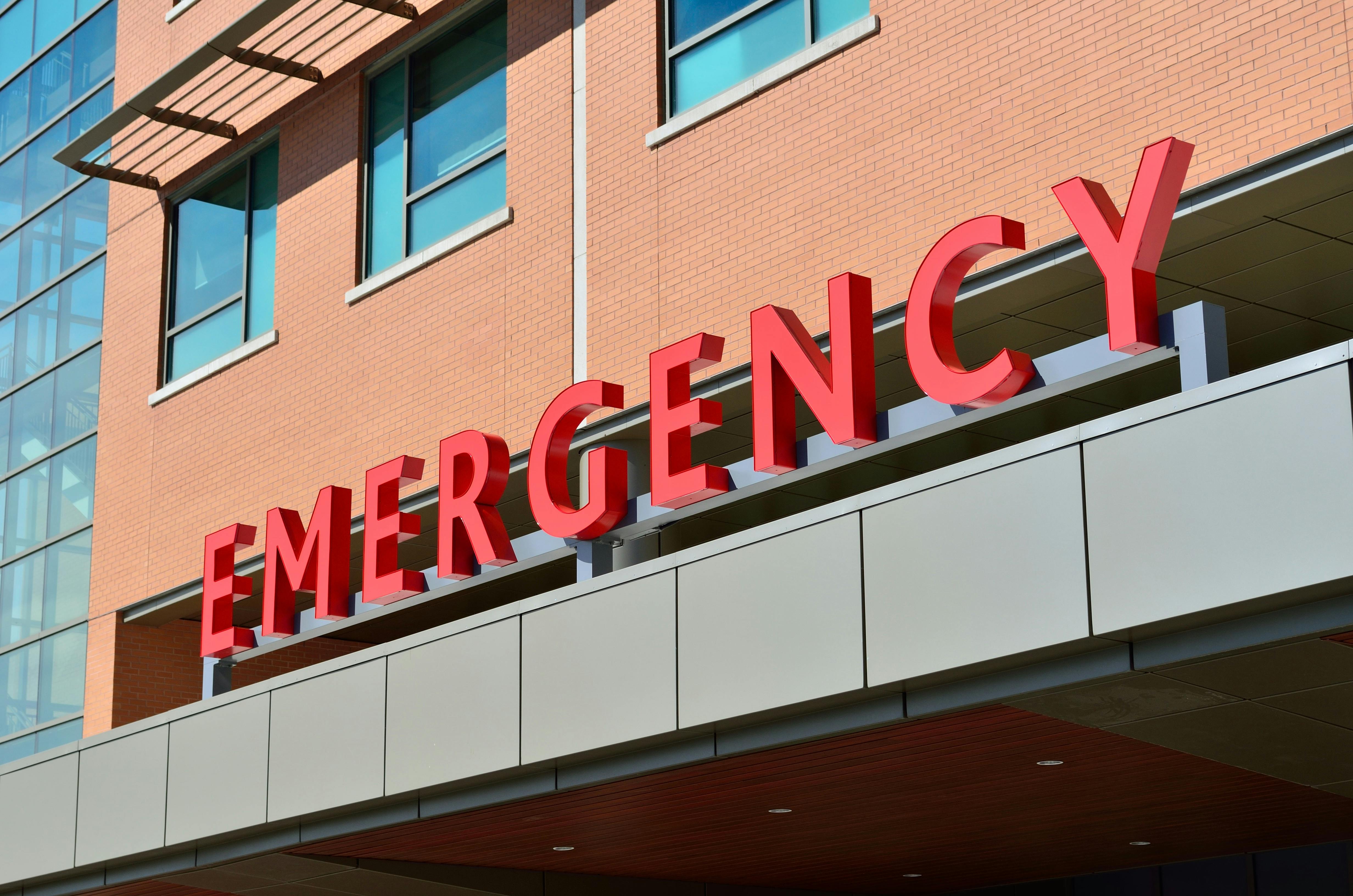
When I think about a true emergency, I picture more than a flat tire. I mean, what does $1,000 actually cover these days? Let's be honest, it's not much. A trip to the emergency room for a twisted ankle could easily gobble up your entire fund, sometimes more, especially with high deductibles. Imagine your car breaking down. A major transmission repair can hit $3,000 or even $5,000. Even a simple alternator replacement can run $700 or $800, eating up most of that starter fund right away. If you rely on that car for work... well, you see the problem.
And rent. Just one month of rent in many places goes way past that $1,000 mark. If someone loses their job, even for a short time, that $1,000 feels less like a safety net and more like trying to catch a bowling ball with a teacup. We've seen prices climb, haven't we? Groceries, gas, utilities – they all eat into our money faster than before. It just shows how financially vulnerable many households are. Only 46% of U.S. households, for instance, have enough saved to cover three months of expenses, according to some social media accounts citing financial data. That's a lot of people walking on pretty thin ice, myself included sometimes.
Why Your Emergency Fund Needs a Bigger Number
I think the biggest reason we need to rethink the $1,000 emergency fund is simply the passage of time and inflation. Money doesn't buy what it used to. What cost $1,000 twenty years ago might cost $1,500 or more today. It's like trying to buy groceries for a family of four with the budget from the 1990s. It just won't work. Medical costs have jumped, car repair costs have gone up, and housing? Don't even get me started on housing.
So, while that initial $1,000 was a decent starting point – a way to get people thinking about saving – it was never meant to be the finish line. It's like getting a tiny shovel to start digging a swimming pool. It's a start, sure, but you'll need something much bigger to actually finish the job. We need to acknowledge that real-world emergencies are just more expensive now.
Figuring Out Your Personal Safety Net Number
So, what's the "right" amount for your emergency fund, then? I'd say it's highly personal, but we should definitely aim higher than a grand. My personal peace-of-mind number is usually at least one month of core expenses. Core expenses are the absolute must-haves: housing, utilities, food, transportation, and essential insurance. Nothing extra, just what you need to get by.
Here's how I think about it:
- List Your Absolute Necessities: Write down every expense you absolutely have to pay each month to keep a roof over your head and food on the table.
- Add Them Up: Tally up that total. That's your one-month "bare bones" number.
- Multiply for Security: I often aim for at least three to six months of those core expenses. Why? Because losing a job or facing a major health issue isn't usually a quick, one-month problem. It gives me breathing room. If your core expenses are $2,500 a month, then a three-month emergency fund would be $7,500. A six-month fund would be $15,000. Yes, that feels big, but it also feels incredibly secure. That's the feeling we're after.
Getting Your Emergency Fund Ready for the Future
Okay, so we've established that the old target probably isn't enough, and we've got a new goal. How do we bridge that gap? It's not always easy, but here are some steps I've found helpful:
- Automate Your Savings: Set up an automatic transfer from your checking account to a separate savings account every payday. Even if it's just $50 or $100, it adds up without you even thinking about it. Out of sight, out of mind, and growing.
- Cut Back, Even Just a Little: Look for small places to trim your budget. Maybe it's one less takeout meal a week, or brewing your coffee at home. Those little choices can free up cash to put towards your emergency fund. It's like finding loose change around the house; it might not be much at first, but it makes a pile eventually.
- Sell Unused Stuff: Got old electronics, clothes, or furniture just sitting around? Sell it! Use platforms like eBay, Facebook Marketplace, or local consignment shops. Every dollar earned goes straight into that fund.
- Side Hustle, If You Can: Can you deliver pizzas a few nights a month? Walk dogs? Tutor online? Any extra income you can generate can be earmarked specifically for beefing up your emergency fund. It might not be forever, just until you hit your goal.
A Stronger Safety Net for a Quieter Mind
The $1,000 emergency fund was a good start, a solid stepping stone for many. But in our current economic situation, it's just not enough to provide true financial peace. We need more than a basic cushion. We need a real mattress to land on when life throws a curveball. Building up an emergency fund that truly reflects today's costs and your personal needs—aiming for three to six months of core expenses—can feel like a big lift. But trust me, the quiet confidence that comes from knowing you're truly prepared for life's inevitable surprises is absolutely worth the effort. It's about taking proactive steps to build your financial resilience.
Further Reading
Read Next
View all articlesBundle Digital Products: Boost Sales & Order Value
Learn how to bundle digital products to increase average order value (AOV). Discover pricing, marketing, and selection strategies.
Etsy SEO Masterclass: Rank Handmade Goods on Page One
Unlock Etsy SEO secrets! Learn how attributes, long-tail tags, and shipping strategies get your handmade items to page one.
Early Retirement in Canada: FIRE vs. Government Benefits Age
Discover what age is considered early retirement in Canada. Explore FIRE movement goals vs. government pension ages (CPP, OAS) and public servant rules.
Financial Stability for Single Parents: 12 Practical Strategies
Discover 12 actionable ways single parents can build financial stability, from budgeting and debt reduction to income boosting and long-term planning.